© Hilmar Alquiros Tao-Project: 道 德 經 Dào Dé Jīng 2000-2018 Impressum Datenschutzerklärung
78
001
064
sum:
5062
5125
第七十八章
dì qī shí bā zhāng
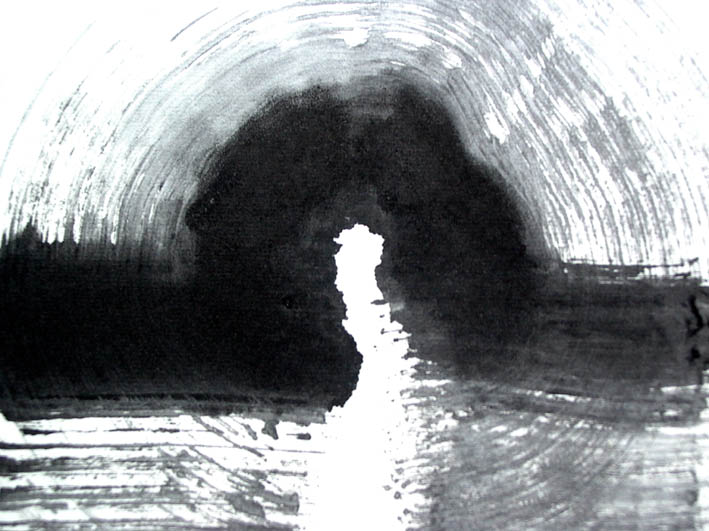
The Wisdom of Water
Die Weisheit des Wassers
Raw texts s. below / Rohtexte s. unten!
78.a
001
021
Soft and Yielding Water: Nothing can Surpass it
Das weiche und nachgiebige Wasser: nichts kann es übertreffen
No.
sum
Wáng Bì 王弼
Pīnyīn 拼音
Characters
Schriftzeichen
Analysis
Analyse
Verbatim
Wortgetreu
Poetic
Poetisch
Analogous
Sinngemäß
78 - The Wisdom of Water
[ Water, supple and strong, is surpassing. embodying the unity of opposites in itself, that the seemingly weak overcomes the strong – that maxim that is easy to understand, but no one can obey.
[ Only the wise ruler, who accepts the shame and misfortune of his realm as a personal responsibility, is worthy of leading in a smooth and strong, gentle and sustainable way.
[ Paradox is the primordial, strictest form of truth.
01-04:
There is worldwide
nothing
softer and weaker
than water,
and yet:
in attacking the
firm
and
strong,
nothing can surpass it,
for these have
nothing
accordingly to replace it.
01-04
"Nothing in All Under Heaven is more supple and soft than water, but
for one [a ruler] attacking the firm and violently rigid nothing is
capable of surpassing [these features]. [If he acts] by means of
it[s characteristics] there will be nothing by which he could be
altered.
'By means of' means 'making use of.' 'It' refers to water. This [entire
passage] means: If [a ruler] were to make use of the suppleness and
softness of water, there would be no other entity that could change
him."
[* Wáng
Bì /
Wagner].
(Cf.
ch. 13, 17, 78).
05-08:
The weak overcomes the strong,
the soft overcomes the hard.
In all
world is no one
who would not know it,
yet no one can practice it.
05-06 "That the supple overcomes the hard and the soft the violently rigid is known to everyone in All Under Heaven." [*].
Cf.
"For when I
am weak, then I
am strong. [2
Corinthians 12:10];
"Blessed
are the meek, for they will inherit the earth."
[Matthew 5:5].
07-08 "But no one is able to put [this] to practice." [*].
"But
if you do not do what you know to be right,
then a moral obstacle must
be rendering
one incapable of
putting into practice what has been recognized:
The
humility,
which makes you mild, the selfless love,
which makes you
devoted, are lacking."
[** per
v. Strauß 1870 p. 334].
09-13:
Therefore wise men's saying:
“He, who bears the country's filth,
is called 'Lord of shrine and tilth';
he, who bears the realm's disaster,
is called 'all world's master'.”
09-13
"That is why in the statements of the Sage, '[Only] he who
takes on himself the humiliation of the state I call the lord of the
altars of the nation;
[Only] he who takes upon himself the misfortune of
the state I call the king of All Under Heaven."
[*].
Note: also 'grain shrine': dedicated by the feudal lord in archaic times to the fertility of the earth, sometimes with soil from the capital of the empire; 社稷 shè jì (god of) land and grain (earth and spirits).
Under prerogative of the Emperor, every year at the solstice sacrifices [(broomcorn) millet] were offered to the 'Spirit of the Earth'; according to
Confucius, in the final analysis to the 'Supreme Lord' 上帝 Shàng dì.As representative of his people, the emperor should himself bear, "... that which covers the state by virtue of the errors and sins of the people", placing it upon himself "in humble condescension" [**].
14:
True words sound paradoxical...
14 "Straight words seem paradoxical." [*] "This is the language of strict truth, though it seems paradoxical." [Chalmers].
More than everything else, water (soft and hard,
weak and strong, etc.) best symbolizes the linguistic aspect
of the unity of opposites, the inseparability of opposites:
Old words often have in themselves both opposites meanings (like Latin:
altus), as part of evolution, here of language (see English
examples in
terrific (bad + good),
prodigious (marvellous + ominous),
enormity (immense + horrendous),
awful (unpleasant + inspiring).
grandios (schlecht + gut),
erstaunlich (wunderbar + ominös),
Ungeheuerlichkeit (immens + horrend),
schrecklich (unangenehm + inspirierend).
© hilmar alquiros, 2017
78 - Die Weisheit des Wassers
[ Wasser, geschmeidig und stark, ist un-übertrefflich. die Einheit der Gegensätze in sich selbst verkörpernd, dass das scheinbar Schwache das Starke überwindet – jene Maxime, der leicht verständlich ist, doch niemand befolgen kann.
[ Nur der weise Herrscher, der selbst Schande und Unglück seines Reiches als persönliche Verantwortung annimmt, ist würdig, geschmeidig und stark, sanft und nachhaltig zu leiten.
[ Paradoxie ist die ursprünglichste, strengste Form der Wahrheit.
01-04:
Nichts
ist
weltweit
weicher und schwächer
als Wasser,
und doch:
im Angriff auf Festes und
Starkes
ist keines imstande, es zu übertreffen,
denn diese haben nichts,
es entsprechend zu
ersetzen.
01-04 "Nichts in aller Welt ist
geschmeidiger und weicher als Wasser, aber für einen [Herrscher],
der das Feste und heftig Starre
angreift,
ist nichts in der Lage, [diese Eigenschaften] zu
übertreffen. [Wenn er] mittels seiner [Eigenschaften] [handelt],
wird es nichts geben, womit er verändert werden könnte.
'Mittels' bedeutet 'Gebrauch machen von.' "Es" bezieht sich auf das
Wasser. Diese [ganze Passage] bedeutet: Wenn [ein Herrscher] von der
Geschmeidigkeit und Weichheit des Wassers Gebrauch machen würde,
gäbe es kein anderes Wesen, das ihn verändern könnten." [*
Wáng Bì / Wagner]. (Vgl. Kap. 13, 17,
78).
05-08:
Schwaches besiegt Starkes,
Weiches bezwingt Hartes.
Weltweit ist niemand,
der es nicht wüsste,
doch niemand kann danach handeln.
05-06 "Dass das Geschmeidige das Harte überwindet und das Weiche das heftig Starre, ist in aller Welt bekannt." [*].
Vgl. "Wenn ich schwach bin, so bin ich stark."
[2
Korinther 12,10];
"Die Sanftmüthigen werden das Erdreich besitzen."
[Matthäus 5,5].
07-08 "Aber niemand kann dies in die Praxis umsetzen." [*].
"Thut man aber nicht, was man als das Richtige
erkennt, so muss ein sittliches Hindernis unfähig machen, das
Erkannte auszuübern:
es fehlt die Demuth, welche mild,
die selbstlose Liebe, welche hingebend macht."
[** nach v. Strauß 1870
p. 334].
09-13:
Darum, der Spruch der Weisen:
„Wer gerne des Reiches Schande trägt,
heißt 'Herr des Schreines und Ackers';
wer des Reiches Unglück trägt,
heißt 'König aller Welt'.“
09-13
Darum heißt es in den Aussagen des Weisen: "Nur
wer die Erniedrigung des Staates auf sich nimmt,
nenne ich
des Landes Herrn der
Altäre;
[nur] wer das Unglück des Staates auf sich nimmt, den nenne ich den König
aller Welt." [*].
Anmerkung: auch 'Kornschrein': vom Feudalherrn in archaischer Zeit der Fruchtbarkeit der Erde geweiht, zuweilen mit Erde aus der Hauptstadt des Reiches; 社稷 shè jì (Gott des) Landes und der Feldfrüchte / (von) Erde und Geistern.
Unter Vorrecht des Kaisers werden allährlich
zur Sonnenwende dem Geist der Erde Opfer [(Rispen-) Hirse]
dargebracht, laut Konfuzius letztlich dem 'Höchsten Herrn'
上帝 Shàng
dì.
Als Stellvertreter seinen Volkes soll der Kaiser selbst tragen, "... was
duch des Volkes Verirrnungen und Sünden den Staat bedeckt", es sich
"in demüthiger Herab-lassung sich selber auferlegt" [**].
14:
Wahre Worte klingen sinnverkehrt ...
14 "Wahre Worte erscheinen paradox." [*] "Dies ist die Sprache der strengen Wahrheit, obwohl es paradox erscheint." [Chalmers].
Mehr als alles andere symbolisiert Wasser (weich und hart, schwach und stark) am besten den linguistischen Aspekt der Einheit der Gegensätze, die Untrennbarkeit der Gegensätze: alte Wörter haben oft beide gegensätzliche Bedeutungen (wie lateinisch: altus), als Teil der Evolution, hier der Sprache (s. englische Beispiele in Ames & Hall p. 198):
terrific (bad + good),
prodigious (marvelous + ominous),
enormity (immense + horrendous),
awful (unpleasant + inspiring).
grandios (schlecht + gut),
erstaunlich (wunderbar + ominös),
Ungeheuerlichkeit (immens + horrend),
schrecklich (unangenehm + inspirierend).
© hilmar alquiros, 2017
78.01.
001
007
天下
tiān xià
莫
mò
柔弱
róu ruò
於水;
yú shuǐ;
天下
(all)
World
{= "Heaven / under"} /
(aller)
Welt
{= "Himmel / unter"}.
莫 nothing / nichts.
柔
soft,
supple,
flexible, yielding /
weich,
geschmeidig (biegsam), biegsam (geschmeidig), nachgiebig.
弱
weak,
soft, feeble, inferior /
schwach,
weich, kraftlos, un-terlegen.
柔弱
= weak, delicate /
schwach, zart;
lit.:
softer and weaker; but: “more yielding” = positive meaning! /
weicher und schwächer; jedoch: „nachgiebiger“ = positiver
Sinn!
於 than / als.
水 water / Wasser.
Worldwide
{= "Heaven / under"},
(there is)
nothing
more
soft
{supple} and
weak
{soft}
than water,
Auf
der
Welt
{= "Himmel / unter"}
(da ist) nichts
weicher
{geschmeidiger
} und
schwächer{weicher}
als Wasser,
There is
worldwide
nothing
N
softer
and
weaker
than water,
There's nothing
softer
all
worldwide,
Wohl
nichts ist auf der Welt so
and
weaker, too, than water's
guide,
wie
Wasser,
und so
schwach
zugleich,
78.02.
008
012
而攻
ér gōng
堅強者
jiān qiáng zhě
而 and_yet / und_doch; but [also], {yet} / aber [auch], (je-)_doch.
攻
to attack
{to accuse, to study}
/ angreifen {anklagen, studieren}.
堅 firm,
{strong, solid, hard, unyielding} /
fest
(standhaft), {stark (kräftig), fest (stabil), hart,
unnachgiebig}.
強 strong,
rigid, violent, powerful, vigorous /
stark
堅強
staunch, strong /
entschieden
者
(this) [thing] /
(dieses)
[Ding].
and_yet:
in
[ruler's!] attacking
the firm {hard} and strong
{(violently) rigid} [things]
und_doch:
im Angriff
[= des Herrschers!]
auf Fest/es und
gewaltsam Starr/es [Dinge]
and yet: in attacking the firm and strong,
und doch: im Angriff auf Festes und Starkes
does firm and strong things yet attack,
doch greift es Festes, Starkes an,
78.03.
013
016
莫之
mò zhī
能勝,
néng shèng,
莫 nothing {nobody} / nichts {niemand}.
之 here: of_them / hier: von_ihnen; or: of [Genitive] / oder: von (sächsischer) Genitiv].
能 can, could, able_to / kann, könnte; fähig, imstande.
勝 to overcome, to surpass {to conquer, to master} / über-winden, übertreffen {erobern, meistern}.*
no/thing [of_them]
can surpass
it
[= these features],
ist
kein/es [von_ihnen]
imstande,
es
[diese Eigenschaften]
zu
übertreffen,
nothing can surpass it,
ist keines imstande, es zu übertreffen,
thus nothing can surpass its track,
nichts kann es übertreffen dann,
78.04.
017
021
[以]其無
[yǐ]
qí
wú
以
yǐ
易之[也]。
yì zhī
[yě]。
[以] (Mǎwángduī A+B yǐ for.../ denn ...)
其 here: these / hier: diese.
無 without (no) {non-being, nothing_(-ness) / ohne (kein) {nicht-sein, Nichts}.
以 accordingly {thus; by_means_of} [= making_use_of] / entsprechend {somit; mittels} [= nutzbar].
易 to match [it] {replace, (ex-)_change; to alter; easy; amiable} / (ihm) gleichkommen {ersetzen; (aus-)_tauschen; leicht; liebenswert}.
之 here: it [= the water!] / hier: es [= dem Wasser!]; lit: of [Genitive] / oder: von (sächsischer) Genitiv].
[也] [too / auch] in Classical Chinese: final particle implying affirmation / im klassischen Chinesisch: Schlusspartikel, der Bestätigung impliziert.**
for
these
have
nothing
accordingly {thus; by_means_of}
[= making_use_of]
to
match
{replace,
(ex-)_change; alter} it
[= the water!].
denn
diese
haben
nichts,
entsprechend {somit; mittels} [= nutzbar]
zu
ersetzen
es
{gleichzukommen
ihm}
[= dem Wasser!].
for these have nothing thus to replace it.
denn diese haben nichts, es somit zu ersetzen.
so nothing can replace its lack.
nichts, das ihm so entsprechen kann.
* Variety by / Vielfalt durch 易 cf.. Kalinke (2), 2000 p. 73:
"Es gibt
nichts, was an seine Stelle treten kann." /
~
"There
is nothing what can supercede it."
[Wang
Bi / P. J. Lin; Wing-tsit Chan; D. C. Lau;
Ch'u Ta Kao; V. v. Strauß; E. Rousselle].
"Es gibt nichts Vergleichbares" /
"There is nothing comparable."
[Gia-Fu Feng & J. English;
H. Knospe & O. Brändli].
~ "Es gibt nichts, was es verändert." /
~ "There is nothing that changes it."
[R. Wilhelm; E. Schwarz; J.
Ulenbrook; H.-G. Möller].
"Durch das Nicht-Seiende fällt ihm
dies leicht." / ~
"By means of Non-Being it comes naturally to
it." [G. Debon].
"Nothing can change place with it" /
"Nichts kann den Ort mit ihm wechseln".
[Ellen M. Chen, 1989 p. 225].
** Mǎwángduī A+B: (以其無以易之); 以 yǐ for... is missing in the standard version / denn ... fehlt in der Stan-dardversion; not in
78.b
022
037
The Weak Defeats the Strong, Yieldingness Overcomes Rigidity
Das Schwache besiegt das Starke, Nachgiebigkeit bezwingt Härte
No.
sum
Wáng Bì 王弼
Pīnyīn 拼音
Characters
Schriftzeichen
Analysis
Analyse
Verbatim
Wortgetreu
Poetic
Poetisch
78.05.
022
025
弱之
ruò zhī
勝強,
shèng qiáng,
弱 weak, soft, feeble, inferior / schwach, weich, kraftlos, unterlegen;
之 here: of_them / hier: von_ihnen; or: /'s /s', of [Genitive] / oder: des, von (sächsischer) Genitiv].
勝
to overcome,
to
surpass {to
conquer,
to
master} /
über-winden,
übertreffen {erobern, meistern}.
強 strong,
rigid, violent, powerful, vigorous /
stark,
kräftig, starr, gewaltsam, kräftig (mächtig), kraftvoll.
The
weak {yielding}
[of_them]
overcomes
the
strong {unyielding},
Schwach/es
[von_ihnen]
besiegt
das Starke {Starre},
The weak overcomes the strong,
Schwaches besiegt Starkes,
The weak will overcome the strong,
Wie Schwaches gegen Starkes siegt,
78.06.
026
029
柔之
róu zhī
勝剛。
shèng gāng。
柔 soft, supple, flexible, yielding / weich, geschmeidig (biegsam), biegsam (geschmeidig), nachgiebig.
之 here: of_them / hier: von_ihnen; or: of [Genitive] / oder: von (sächsischer) Genitiv].
勝 to overcome, to surpass {to conquer, to master} / überwinden, übertreffen {erobern, meistern}.
剛 hard, firm, strong, rigid / hart, fest, stark, starr.*
the
soft {tender}
[of_them]
overcomes
the
hard {rigid}.
Weich/es
[von_ihnen]
bezwingt
das Harte {Starre}.
the soft overcomes the hard.
Weiches bezwingt Hartes.
the soft beats hardest all along.
so Starres Weichem unterliegt.
78.07.
030
034
天下
tiān xià
莫
mò
不知,
bù zhī,
天下
(all)
World
{= "Heaven / under"} /
(aller)
Welt
{= "Himmel / unter"}.
莫 nobody {nothing} / niemand {nichts}.
不 not / nicht {un-}.
知 to understand {know} / verstehen {erkennen}.
不知 un/known / un/bekannt.
Worldwide
{= "Heaven / under"}
Weltweit
is (that)
nobody
un/known,
ist
das
niemandem
un/bekannt,
In the world is no one who wouldn't know it,
Weltweit ist niemand, der es nicht wüsste,
There's none on Earth who wouldn't know,
Zwar niemand weiß das nicht weltweit –
78.08.
035
037
莫
mò
能行。
néng xíng。
莫 nobody {nothing} / niemand {nichts}.
能 can, could, able_to / kann, könnte; fähig, imstande.
行 to practice {to follow} / (aus-)_üben {es befolgen, prak-tizieren}.
(yet)
nobody
can practice {follow}
it.
(doch) keiner
kann
es (aus-)_üben
{es befolgen, praktizieren}.
yet no one can practice it.
doch niemand kann danach handeln.
yet none can practice it, although.
doch keiner kann es tun derzeit.
*柔之勝剛 or: “Yieldingness overcomes rigidity” / oder: „Nachgiebigkeit besiegt Unnachgiebigkeit“.
78.c
038
060
How to Become a Sovereign or a World Ruler
Wie man Landesherr oder Weltherrscher werden kann
No.
sum
Wáng Bì 王弼
Pīnyīn 拼音
Characters
Schriftzeichen
Analysis
Analyse
Verbatim
Wortgetreu
Poetic
Poetisch
78.09.
038
042
是以聖人
shì yǐ
shèng rén
云:
yún:
是以 there/fore / da/rum.
聖 wise / weise.
人 men / Menschen.
云 say_(-ing) / sagen {Spruch}.
There/fore
wise men's
saying {say}:
Da/rum,
weise/r Menschen
Spruch {sagen}:
Therefore wise men's saying:
Darum, weiser Menschen Sprichwort:
And therefore wise men's word – it says:
Des Weisen Sprichwort so erwägt:
78.10.
043
046
受
shòu
國之
guó zhī
垢,
gòu,
受 to bear {to take on} / trägt {auf_sich_nimmt}; to shoulder (to take on) [better with “calamity”], to accept / schultern (auf sich nehmen) [besser bei „Unglück“], hinnehmen.
國 state {realm, country, nation} / Staat [Reich, Land, Nation}.
之 here: /'s, its, their / hier: dessen, ihre; or: of [Genitive] / oder: des, von (sächsischer) Genitiv].
垢 humiliation {disgrace; "filth", "dust"} / Demütigung {Schande; "Unrat", "Staub"}; or: disgrace, (dirt) / oder: Ungnade, (Schmutz, Unflat).
"Who
is
bearing {taking on}
realm/'s [its]
humiliation {disgrace;
"filth",
"dust"},
„Wer
trägt {auf_sich_nimmt}
(des) Reich/es
[dessen]
Demütigung {Schande;
"Unrat",
"Staub"},
“He, who bears the country's humiliation,
„Trägt jemand des Reiches Schande gern,
"He, who is bearing realm's disgrace,
„Wer diees Reiches Schande trägt,
78.11.
047
051
是謂
shì wèi
社
shè
稷
jì
主[王];
zhǔ
[wáng];
是 this is / dies ist {wird}.
謂 called {means} / nennt_man {meint, heißt}.*
社 land {soil} / Land {Schrein; Erde}.
社稷 shè jì (god of) land and grain (earth and spirits) / (Gott des) Landes und der Feldfrüchte / (von) Erde und Geistern
稷 grain [= millet] {field} [= altar!] / Korn [= Hirse] {Acker} [= Altar!]; panicled_millet / Rispen-Hirse.
主 lord
{god} / Herr {Gott}. Var.: 王;稷王 später: "Hoher Staatsmann" / later: "High states-man" [Kalinke (2) 2000 p. 73].
稷主jì zhǔ or 稷王jì wáng
社稷主 lit.: “Lord over land and grain” (of agriculture) / „der Erd- und Ackergötter Herr“ (des Ackerbaus); “Master of soil sacrifices” (altar for sacrifices).**
this is
called {means}:
land's
{soil's}
and
grain's
[= millet's]
{field's}
[= altar's!]
lord
{god}*";
稷主jì zhǔ
or
稷王jì wáng
dies nennt_man {meint, heißt}
(des) Landes
{des Schreines; der Erde} und
(des)
Kornes
[=
(der)
Hirse]
{des Ackers}
[= Altars!]
Herr {Gott}*";
稷主jì zhǔ or 稷王jì wáng
is
called
"Lord of shrine and grain";
heißt
"Herr
des Schreines und Korn";
as 'Lord
of
land
and grain' to praise";
er heiße
78.12.
052
055
受國
shòu guó
不祥,
bù
xiáng,
受 to bear {to take on} / trägt {auf_sich_nimmt}; to shoulder (to take on) [better with “calamity”], to accept / schultern (auf sich nehmen) [besser bei „Unglück“], hinnehmen.
國 state {realm, country, nation} / Staat [Reich, Land, Nation}.
不 not / nicht {un-}
祥 auspicious, propitious / glückverheißend, verheißungs-voll.
不祥 dis/aster {calamity} / Un/glück {Un/heil}.
受國不祥 lit.: “He, who bears the realm's non-blessing” / „wer trägt des Reiches Nicht-Segen“.
"who
is bearing realm/'s
dis/aster {calamity},
„wer
trägt (des)
Reich/es
Un/glück {Un/heil},
"he, who bears the realm's disaster,
"wer trägt, wo das Reich ins Unglück fällt,
"And he, who bears the realm's disaster,
„So Trag' des Reiches Unglück gern:
78.13.
056
060
是謂
shì wèi
天下
tiān xià
王。
wáng。
是 this is / dies ist {wird}.
謂 called {means} / nennt_man {meint, heißt}.
78.10.-78.13. *
Saying in rhymes like in the
original [“assonances”]
/
Sprichwort
in Reimen wie im Original [“Assonanzen”].
***
天下
(all)
World
{= "Heaven / under"} /
(aller)
Welt
{= "Himmel / unter"}.
王 king / König.
天下王 lit.: king of the world [Heaven-under] / König der Welt [Himmel-unter].
this is
called {means}:
all_world's
{= "Heaven / under"}
king".
dies nennt_man {meint, heißt}:
aller_Welt
{= "Himmel / unter"}
König".
is called all world's master.”
heißt König aller Welt.“
he will be called then all world's master".
und sei als Herr der Welt verehrt".
* 78.11.-78.13 or: 謂: to be called, to work (to act) / oder: „heißen“ resp. „wirken“; in Mǎwángduī A+B: 胃 yún “says”, “reads” / „lautet“, „liest sich“.
**
„Herr bei
Erdopfern“ (Altar für Opfer);
altar for soil and
millet / Erd- und Hirsealtar (des Landes)
[Rainald Simon, Reclam, 2009, p.
237];
"lord of the altars of the nation / Herr des Altars der Nation"
[ 王弼 Wáng
Bì,
cf. Wagner, 2003b,
p. 379].
78.10.-78.12.
"Who loves the dirt of the country is called lord of the altar." /
"Wer die Schande {"den Schmutz"} des Landes
liebt, wird Herr des Altars genannt." [E.
Erkes, 1958 p. 246].
78.10.-78.13.
"[Only] he who takes on himself
the humiliation of the state I call
the lord of the altars of the nation;
[only]
he who takes upon himself the misfortune of the state I call
the
king of All Under Heaven."
/
~ "[Nur] wer die Demütigung des Staates auf sich nimmt, [den] nenne ich Herr [über den] Altar der
Nation; [nur] wer das Unglück des Staates auf sich nimmt,
[den] nenne ich
König der Welt."
[ 王弼 Wáng
Bì,
cf. Wagner, 2003b,
p. 379].
*** 78.11.-78.13. saying in rhymes – like in the original...! [“assonances”] / Sprichwort in Reimen – wie im Original! [“Assonanzen”].
78.d
061
064
True Words Sound Paradoxical
Wahre Worte klingt oft sinnverkehrt
No.
sum
Wáng Bì 王弼
Pīnyīn 拼音
Characters
Schriftzeichen
Analysis
Analyse
Verbatim
Wortgetreu
Poetic
Poetisch
78.14.
061
064
正言
zhèng yán
若
ruò
反
fǎn
正 true {straight} / wahr {geradlinig}.
言 word(-s) / Wort(-e).
若 seem {are like} [= sound] / sinnwidrig {gegenteilig, pa-radox}.
反 paradoxical {converse, opposite} / sinnwidrig {gegentei-lig, paradox}.
*
True {straight} words
seem {are
like} [= sound]
paradoxical {converse,
opposite}...
Wahre {geradlinige} Worte
scheinen {sind
wie}
[= klingen]
sinnwidrig {gegenteilig,
paradox} ...
True words sound paradoxical...
Wahre Worte klingen paradox...
Like paradox sounds true word's phrase...
"Wer Wahrheit lehrt, spricht wie verkehrt."
*lit.:
consorted,
inverted, “resisting” (contradictory), crooked /
verkehrt, umgekehrt, „sich widersetzend“
(wi-dersprüchlich, sinnverkehrt), verdreht:
[cf. Kalinke (2), 2000 p. 73-74]:
"Perverted" / ~ "verdreht"
{irregeführt}
[E. Erkes].
"Gegenteil" / ~ "opposite"
[Wing-tsit Chan; V. v. Strauß; E. Schwarz].
"Gegensatz" / ~ "contrast"
[~ Wang Bi / P. J. Lin; D. C. Lau; H. Knospe
& O. Brändli].
"Straight words seem paradoxical." / "Ehrliche Worte scheinen widersprüchlich {paradox}." [Wáng Bì 王弼 / Wagner, 2003b p. 379].
78
001
064
sum:
5062
5125
第七十八章
dì qī shí bā zhāng
The Wisdom of Water
Die Weisheit des Wassers
北大 Běi Dà 78
B:
天下莫柔弱於水,
而功堅強者
莫之能失也,
以其無以易之也。故水之勝剛,
弱之勝強,天下莫弗智,
而莫
能居
,莫能行。故聖人之言云:
"
受國之訽,是謂社𥚾之主;
("..." = quotation)
受國之不恙,是謂天下之王。
"正言若反。
馬王堆 Mǎwángduī 78
M
:天下莫柔 □ □ □□ □ 堅強 莫之能 □ 也
以亓無 □ 易 □ □ □ □ □
□ □ 勝強∠ 天□ □ □ □
□ □ □ 行也 故聖人之言云∠
曰受邦之詬
是胃社稷之主
受邦之不祥
是胃天下之王
□ □
若反∠
馬王堆 Mǎwángduī 78
m: 天下莫柔弱於水 □
□ □ □ □ □
□ □ □
以
亓無以易之也
水之朕剛也
弱之朕強也天下莫弗知也
而 □ □ □ □
也
是故聖人之言云
曰受國之詬
是胃社稷之主
受國之不祥
是胃天下之王
正言若反
郭店 Guōdiàn 78
G: * * *
王弼 Wáng Bì 78
W:天下莫柔弱於水。
而攻堅強者,莫之能勝
以其無以易之也
弱
之勝強
柔之勝剛。天下莫不知
莫
能行
。
是以聖人
云,
受國之垢
是謂社稷
主。
受國
不祥
是為天下
王。
正言若反
。
河上公 Héshàng Gōng 78
H:
天下莫柔弱於水,
而攻堅強者
莫之能勝,
以其無以易之。弱
之勝強,
柔之勝剛,天下莫不知,
莫 能行
。
是以聖人
云:
受國之垢,是謂社稷
主;
受國
不祥,是謂天下
王。
正言若反
。
傅奕 Fù Yì 78
F:
天下莫柔弱於水,
而攻堅彊者
莫之能先,
以其無以易之也。
柔之勝剛,
弱之勝彊,天下莫不知,
而莫之能行
。
故聖人之言云,
受國之垢
是謂社稷之主,
受國之不祥
是謂天下之主。
正言若反也。
Raw texts s. below /
Rohtexte s. unten!
Raw texts / Rohtexte:
G:
Guōdiàn 郭店 ~ -300M: Mǎwángduī 馬王堆 A < -206
m: Mǎwángduī 馬王堆 B < -179
B: Běi Dà 北大 ~ -150, ~ -100
~ Textus Receptus:
 1
2 3
1
2 3W:
Wáng Bì 王弼 (226–249) < +250H: Héshàng Gōng 河上公 > +100
F: Fù Yì 傅奕 (554−639) +574 / < -202
+ Hán Fēizǐ 韓非子 (280-233) - W. K. Liao: * in: The Complete Works of Han Fei Tzŭ with Collected Commentaries, April 1939. [Link].
Ch.
XX. Commentaries on Lao Tzŭ's Teachings:
= DDJ 38, 58, 59, 60, 46, 14, 01, 50, 67, 53, 54
Ch.
XXI. Illustrations of Lao Tzŭ's Teachings.*
= DDJ
46, 54, 26, 36, 63, 64,
52, 71, 64, 47, 41, 33, 27
B:天下莫柔弱於水,而功堅強者莫之能失也,以其無以易之也。故水之勝剛,弱之勝強,天下莫弗智,而莫能居,莫能行。故聖人之言云:“受國之訽,是謂社𥚾之主;受國之不恙,是謂天下之王。”正言若反。
[=
42
a]
功(攻), 失<先>, 智(知), 𥚾(稷), 恙(祥).
M:天下莫柔□□□□□堅強者莫之能□也以亓無□易□□□□□□□勝強∠天□□□□□□□行也故聖人之言云∠曰受邦之詬是胃社稷之主受邦之不祥是胃天下之王□□若反∠
m:天下莫柔弱於水□□□□□□□□□以亓無以易之也水之朕剛也弱之朕強也天下莫弗知也而□□□□也是故聖人之言云曰受國之詬是胃社稷之主受國之不祥是胃天下之王正言若反
G: * * *
W:天下莫柔弱於水。而攻堅強者,莫之能勝,以其無以易之。弱之勝強。柔之勝剛。天下莫不知莫能行。是以聖人云,受國之垢是謂社稷主。受國不祥是為天下王。正言若反。
H:天下莫柔弱於水,而攻堅強者莫之能勝,以其無以易之。弱之勝強,柔之勝剛,天下莫不知,莫能行。是以聖人云:受國之垢,是謂社稷主;受國不祥,是為天下王。正言若反。
F:
天下莫柔弱於水,而攻堅彊者莫之能先,以其無以易之也。柔之勝剛,弱之勝彊,天下莫不知,而莫之能行。故聖人之言云,受國之垢是謂社稷之主,受國之不祥是謂天下之主。正言若反也。
Mǎwángduī: ch. 1-37 after 38-81; 24 before 22 + 23, 41 before 41, 80+81 after 66.
Mǎwángduī: Kap. 1-37 nach 38-81; 24 vor 22 + 23, 41 vor 41, 80+81 nach 66.
Etymological Notes:
天 Augmented pictograph 天. Augmentation 一 (head) to person 大. Meaning: sky.
下 Simple pictograph 下(丅𠄟). A mark below the line. Meaning: down.
莫 From grass 艹艸 and sun or mouth 日口 and more grass 大艸. Originally Meaning: “not” or “dusk” probably from the sun lost in the grass.
柔 From tree 木 (switch) and phonetic 矛. Meaning: pliant.From tree 木 (switch) and phonetic 矛. Meaning: pliant
弱 Simple pictograph 弱. Two wings of a baby bird. Meaning: fragile.
於 Simple pictograph 於. Unclear origin. Meaning: in.
水 Simple pictograph 水. Water.
而 Simple pictograph 而. (1) sometimes remnant of a beard. (2) sometimes a remnant of a root.(3) sometimes a man.
攻 From hand 攵攴 and phonetic (also meaning work) 工. Meaning attack.
堅 From earth 土 and phonetic *臤. Meaning: strong.
強 From insect 虫 and phonetic 弘. Meaning: strong. (see 虽)
者 Simple pictograph 者. (unclear probably 口曰 and phonetic 止+ some dots) of original. Meaning: probably 这 “this”
之 Simple pictograph 之㞢𡳿. Augmentation of foot 止 going forward from 一. Originally indicating to go forward.
能 Simple pictograph 能. A bear which is strong with mouth 厶 with meat 月肉 and feet 匕匕. Meaning: able.
勝 Composition:Left: 月 moon; month right: 劵 certificate ticket; title deeds. Strength with ponoetic. victory; excel be better than.
以 Simple pictograph 以. Usually a pictograph of a mouth often making some kind of sound. Borrowed for sound. Meaning: by means of.Simple pictograph 以. g by means of.
其 Simple pictograph 其. A basket being held by two hands. Borrowed for sound. Meaning: his.
無 wú mó 火+ 8 strokes negative no not; lack have no Simple pictograph Meaning: nothing. [无無. A dancer also pronounced wu. Borrowed for sound.]
易 Simple pictograph 易. Original of 益溢(yi) (water liquid yi in bowl easy yi to pour) . Meaning: easy
剛 From knife 刂刀 and phonetic 冈岡. Meaning: hard.
不 Simple pictograph. Unclear origin. Possibly a root which us pulled up and is thus NOT there. Meaning: “no”.
知 From mouth 口 (character created for sound) and phonetic 矢 borrowed for sound. Meaning: to know.
行 Originally 行 was a crossroad somtimes indicated by the left half 彳or the right half 亍. It indicates motion or something seen on the street or in public. Simple pictograph 行. Is the intersection of two roads. Meaning: to walk.
是 From sun or day 日 (sundial) and to go 疋. Original Meaning: time. Now Meaning: here and now.
聖 Super cursive remnant 圣聖. From a man standing on the earth 土王𡈼 (ting) not 壬(ren) and remnant 又 (from speaking 口 and being listened to with the ear 耳). Meaning: sage. Note: remnant 又and 土.
人 Simple pictograph 人. A person in profile. Meaning: person.
云 yún Composition:Top: 二 bottom: 厶. say speak; clouds yún
受 From one hand 爪 (remnant) going to 冖 another hand 又. Meaning to receive.國 From walls 囗 and riches 玉. Meaning: country.
垢 From earth 土 and phonetic 后. Meaning dirt.
謂 From speech 讠言 and phonetic 胃. Meaning: to tell..:
社 From altar 礻示 and earth 土. Originally the god of the land 土地公.
稷 jì zè Composition:Left: 禾 hé right: 畟. God of cereals; minister of agriculture
主 Simple pictograph 主. Modified wood 木 a torch with a light 灯心. Later Meaning: master.
國 From walls 囗 and riches 玉. Meaning: country.
不 Simple pictograph. Unclear origin. Possibly a root which us pulled up and is thus NOT there. Meaning: “no”.
祥 From altar 礻示 and phonetic 羊. Meaning: good luck.
為 From mouth 口 (character created for sound) and phonetic 矢 borrowed for sound. Meaning: to know.
王 Simple pictograph 王. Believed to be an ax head indicating source of power. Meaning: king.
正 Simple pictograph 正. A foot with a line stoping it. Meaning: complete.
言 Simple pictograph 言. Upside down man 立 and a mouth 口. Meaning: a man talking to you. Meaning: word.
若 Cursive remnant 若. From remnant hair 艹 (not grass) and hands * primping the hair 口 added later. Original Meaning: to primp.
反 Simple pictograph 反. Right hand 又 being inverted 厂 Meaning: reverse
Sources:
http://www.thetao.info/tao/big5.htm,
http://ctext.org/dictionary.pl?if=en&char=%E4%B9%8D
https://chinese.yabla.com/chinese-english-pinyin-dictionary.php?define=%E4%B9%8D
http://www.chineseetymology.org/CharacterEtymology.aspx?submitButton1=Etymology&characterInput=%E4%BD%9C [and more].
Literature:
Dàodéjīng 道德經 ~ -400) by → 老子 Lǎozĭ.
Fù Yì
傅奕 (555−639) 574 / < -202.Guōdiàn 郭店 ~ -300.
Hán Fēizǐ 韓非子 (-280-233) ch. 20+21.
Héshàng Gōng
河上公 > 100 .Kǒng fū zǐ 孔夫子 (Confucius / Konfuzius).
Lǎozĭ 老子~ -400: Dàodéjīng 道德經.
Lièzǐ 列子 ~ -440-360, ~ -350.
Lún yǔ 論語 = Analects by 孔夫子 Kǒng fū zǐ (Confucius / Konfuzius).
Mǎwángduī 馬王堆 A < -206.
Mǎwángduī 馬王堆 B < -179.
Wáng Bì
王弼 (226–249) < 250.Yì Jīng 易經 (Book of Change) .
Zhuāngzǐ 莊子 (-369-286) .
=
道德經 Dàodéjīng by 老子 Lǎozĭ.
傅奕 Fù Yì (-554−639 +574 / < -202 .
郭店 Guōdiàn ~ -300.
韓非子 Hán Fēizǐ (-280-233).
河上公 Héshàng Gōng > 100 .
孔夫子 Kǒng fū zǐ (Confucius / Konfuzius).
老子 Lǎozĭ ~ -400: Dàodéjīng 道德經.
列子 Lièzǐ ~ -440-360 ~ -350.
論語 Lún yǔ = Analects 孔夫子 Kǒng fū zǐ Confucius / Konfuzius.
馬王堆 Mǎwángduī A < -206.
馬王堆 Mǎwángduī B < -179.
王弼 Wáng Bì (226–249) < 250.
易經 Yì Jīng (Book of Change) .
莊子 Zhuāngzǐ (-369-286) .
Abel-Rémusat, Jean-Pierre (P. VII des Mémoires de l'Académie des inscriptions et belles lettres), Imprimerie royale, Paris 1823. B) Le livre des récompenses et des peines, ouvrage taoïstes traduit du chinois avec der notes et des éclaircissements. Paris: A. – A. Renouard, 1816; Paris: Librairie Orientaliste Paul Geuthner, 1939 / 2 (Les Joyaux de l‘Orient, tome III) B) Mémoire sur la vie et les ouvrages de Lao-Tseu, philosophe Chinois du VI. siècle avant notre ère, qui a professé les opinions communément attribuées à Pythagore, à Platon et à leurs disciples. a) Vortrag 15. VI. 1823 in: Académie des inscriptions et belles lettres, tom. VII 1824. (Denkschriften) [auch: Rémusat's Mèlanges asiatiques, Sèrie I. , 1825-26].
Ames, Roger T. & David L. Hall Dao de Jing. A Philosophical Translation. “Making this life significant”. Featuring the recently discovered bamboo texts. Translated and with commentary. New York: A Ballantine Book. The Random House Publishing Group, (book + CD), Ballantine Books, 2003. 256 p. & Audio. .
Braunsperger Hubert 1992 Innere Geborgenheit durch Tao Te King. Dialog mit Laotse. Verlag der Österreichischen Staatsdruckerei, Wien. 245 P.
Chan, Wing-tsit Chu Hsi's appraisal of Lao Tzu. In: Philosophy East and West, 25, 29, 1975, 131-144.
Chang,Tsungtung, 1982 Metaphysik, Erkenntnis und Praktische Philosophie im Chuang-Tzu. Zur Neu-Interpretation und systematischen Darstellung der klassischen chinesischen Philosophie Gebundene Ausgabe. Verlag: Vittorio Klostermann (1982).
Chan, Wing-tsit,
The Way of Lao Tzu. 1963. [Lao Tzu], übersetzt von Günther Schwarz aus: Encyclopedia of Philosophy, New York, 1967 (p. 107-111).Chen, Ellen Tao, Nature, Man: A Study of the Key Ideas in the Tao Te Ching, PhD dissertation, Fordham University, 1966.
Debon, Günther (1921-2005) Lao-Tse. Tao-Tê-King. Das Heilige Buch vom Weg und von der Tugend. Philipp Reclam jun. , Stuttgart 1961.
Duyvendak, Jan [Julius Lodewijk] Tao te ching. The Book of the Way and its Virtue. The Wisdom of the East Series. London: John Murray, 1954 → Lao Tzu, Tau-Te-Tsjing, Het boek van Weg en Deugd … Arnhem: 1942; Amsterdam: Uitgeverij De Driehoek, 1980: → Tao tö king, le livre de la voie et de la vertu: texte chinois tabli et traduit avec des notes critiques et une introduction. Paris: Adrien-Maisonneuve, 1953 ff.
Heidegger in "The Thing" Lǎozĭ's 11, [Philosophy of Technology, 2th lecture].
Kalinke Viktor Zhuangzi: Der Gesamttext und Materialien (Chinesisch) Leipzig: Leipziger Literaturverlag, 2017.
Kalinke Viktor Laozi. Daodejing. Band 1 : Eine Wiedergabe seines Deutungsspektrums. Text und Übersetzung / Zeichenlexikon Edition Erata, Leipzig 1999. 121 p. Band 2 Eine Erkundung seines Deutungsspektrums. Anmerkungen und Kommentare; Edition Erata, Leipzig 1999. 134 p. Band 3 Nichtstun als Handlungsmaxime. Zur Rationalität des Mystischen im Laozi, Edition Erata, Leipzig 2011, 204 p. .
Karlgren, Bernhard The poetical parts in Lao-tsϊ. In: Kina Antiken. Göteborgs högskolas arskrift, 38, 3, 1932, 1–45 Göteborg: Elander, 1932. (schwedisch); Svenska Bokförlaget, 1964 → Poesie des Laozi: wohl nur Kapitel 31, 42, 48, 49, 50, 61, 74, 75 im Original ungereimt. / poetry of the daodejing: in the original text, only chapters 31, 42, 48, 49, 50, 61, 74, 75 might have been unrhymed.
Legge, James The Tâo Teh King. The writings of Kwang-Tze. [Translation of Lao Tzu and Chuang Tzu] In: Max Muller, ed. The Sacred Books of the East. 1891; The Texts of Tâoism, Part 1. The Tao Teh King. The Texts of Tâoism. Part 2. The writings of Kwang-ßze, Books I-XVII. The Sacred Books of the East, vol. 39. Oxford: The Clarendon Press, 1891, Oxford University Press, 1927; New York: The Julian press, 1959 et.al.
Lin Yutang Laotse. (Übs. Gerolf Coudenhove) Fischer Bücherei Frankfurt/M., Hamburg. 1955, 216 p. .
Möller, Hans-Georg Laotse, Tao Te King. Die Seidentexte von Mawangdui. 500 Jahre älter als andere Ausgaben. Fischer Taschenbuch Verlag, Frankfurt am Main. 1995 236 p.
Schwarz Ernst Laudse. DAUDEDSCHING. Aus dem Chinesischen übersetzt und herausgegeben von Ernst Schwarz. Philipp Reclam jun., Leipzig 1970. 226 p.; Laudse Daudedsching (Lao-tse Tao-te-king). Aus dem Chinesischen übertragen und mit einer Einführung, Anmerkungen sowie einem Literaturverzeichnis herausgegeben von Ernst Schwarz Deutscher Taschenbuch Verlag GmbH & Co. KG, München 1980.
Simon, Rainald Laozi Daodejing Das Buch vom Weg und seiner Wirkung. Philip Reclam jun. GmbH & Co., Stuttgart. 2009, 319 p.
Julien, Stanislas Le Livre de la Voie et de la Vertu. Par le Philosophe Lao-Tseu. .
(auch: Lao-Tseu Tao-Te-King, Le livre de la voie et de la vertu; traduit en français, et publié avec le texte chinois et un commentaire prepétuel. Paris: Imprimerie Royale), 1842, 304 S. [& Le livre des récompenses et des peines, en chinois et en français, accompagné de 400 légendes, anecdotes et histoires, qui font connaître les doctrines, les croyances et les mœurs de la secte des Tao-ssés. Paris: Crapelet-Barrois, 1835].
Ulenbrook Jan [Karl Gerhard Meier] LAU DSE. DAU DÖ DJING Das Buch vom rechten Wege und von der rechten Gesinnung. Ins Deutsche übertragen und mit einer wörtlichen Übersetzung,einer Einleitung und Erläuterungen versehen von Jan Ulenbrook. Carl Schünemann Verlag, Bremen. 1962, 248 p.
Von Strauß [und Torney], Victor
LAO-TSE'S TAO TE KING. Aus dem Chinesischen ins Deutsche übersetzt, eingeleitet und commentirt von Victor von Strauß. Verlag von Friedrich Fleischer, Leipzig 1870. 357 p.Wagner, Rudolf G. A Chinese Reading of the Daodejing: Wang Bi's Commentary on the Laozi with Critical Text and Translation. (SUN series in Chinese Philosophy and Culture. David L. Hall & Roger T. Ames, editors) Albany: SUNY Press (State University of New York Press), 2003, 532 p. B) Language, Ontology, and Political Philosophy in China: Wang Bi 's Scholarly Exploration of the Dark (Xuanxue). (SUN series in Chinese Philosophy and Culture. David L. Hall & Roger T. Ames, editors) Albany: SUNY Press (State University of New York Press), 2003, 261 p. C) The Craft of a Chinese Commentator: Wang Bi on the Laozi. (SUN series in Chinese Philosophy and Culture. David L. Hall & Roger T. Ames, editors) Albany: SUNY Press (State University of New York Press), 2000, 384 p. .
Waley, Arthur The Way and Its Power: A Study of the Tao Tê Ching and Its Place in Chinese Thought. With Introduction, Commentaries / Full Appendices and Notes. London: George Allen & Unwin Ltd. 1934, 1942 et.al. 262 S.; N. Y. Macmillan, 1934; Boston, MA: Houghton-Mifflin, 1935, 1942.
Wáng Bì → Wagner.
Watts, Alan (1915-1973) Tao - The Water Course (& Al Chung-liang Huang) New York: Pantheon Books, 1977.
Wilhelm, Richard Laotse, Tao Te King, Das Buch des Alten vom Sinn und Leben. Aus dem Chinesischen verdeutscht und erläutert von Richard Wilhelm. Eugen Diederichs Verlag, Jena. 120 p. .
Wing R. L. Der Weg und die Kraft. Laotses Tao-te-king als Orakel und Weisheitsbuch. Mit Kalligraphien von Tse Leong Toy, Lam-po Leong und Johanna Yeung. Illustrationen von Scott Bartlett. Droemer Knaur, München. 1987.
Wittgenstein Ludwig:
Logisch-philosophische Abhandlung, W. Ostwald (Hrsg.), Annalen der Naturphilosophie, Band 14, 1921, p. 185–262.Wohlfart, Günter Der Philosophische Daoismus. Philosophische Untersuchungen zu Grundbegriffen und komparative Studien mit besonderer Berücksichtigung des Laozi (Lao-tse). (Reihe für Asiatische und Komparative Philosophie, Bd. 5); Köln: Edition Chora, 2001, 212 p.